Table of Contents
ToggleInsulated glass has already taken its place in modern architecture, as it greatly enhances energy savings and comfort indoors in various climatic conditions. Its high thermal performance facilitates sustainable building requirements requested by the construction industry worldwide.

With the development of cities on the vertical axis, insulated glass helps architects to create clear views without compromising performance in the structure or climate control. Facades, curtain walls, and modern exterior systems cannot do without their versatility.
What Is Insulated Glass? (Clear Technical Definition)
Insulated glass is a multi-pane glazing structure that is used to enhance the efficiency of the thermal system, reduce heat transfer, and make buildings more comfortable. As opposed to other applications like glass railing design, it is more oriented to the energy performance.
Dual or Multiple Glass Panes
Insulated glass units are made of two or more panes with a precision spacer in between to create a non-ventilated cavity to minimize the transfer of heat and maximize the overall stability, clarity, and energy savings.
Spacer System and Desiccant Layer
A long-lasting spacer keeps a constant distance between panes and built-in desiccant substances dry out moisture, eliminating all internal fogging and securing a high level of clarity and longevity of the insulation in changing environmental conditions, as well as reliability.
Gas-Filled Cavities for Insulation
The internal cavity is filled with argon or krypton gas to enhance thermal resistance to minimise energy loss, and increase comfort. These gases greatly outdo the normal air in giving good insulation performance.
Advanced Perimeter Sealant Technology
Dual-seal systems of high quality preserve moisture and air permeability and blockage of the unit and provide durability, loss of gases, and evenness of insulation effects befitting the new commercial and residential structures.
Insulated glass is an excellent, consistent thermal system that comprises several layers of engineered products in one, high-efficiency insulation. Its design reinforces the envelopes of buildings, which provide comfort, clarity, and sustainable benefits that are critical to contemporary architecture.
How Insulated Glass Works: The Science Explained
The principle of insulated glass is that heat transfer is minimized by the use of a closed multi-pane system that entraps gas between layers. This man-made system balances the inner temperature and greatly enhances the energy consumption of buildings.

Thermal Barrier Through Multi-Pane Separation
The thermal barrier is a series of glass panels that form a regulated space that retards the flow of heat. This distinction helps in minimizing energy wastage, improving comfort, and contributing to effective environmental control in contemporary constructions.
Gas-Filled Cavities Improve Insulation
The panes are filled with argon or krypton gases that reduce thermal conductivity between panes. These thick gases also increase the insulation performance, providing high performance in terms of energy and even indoor temperature regulation in different climate conditions.
Low-E Coatings Reduce Heat Gain
Low-E coating reflects infrared radiation and passes the natural light. This will reduce the amount of solar heat gain, lessen cooling requirements, and reinforce building energy performance without interfering with the building’s transparency.
Edge Seal Systems Maintain Durability
Strong perimeter seals avoid the intrusion of moisture and gas leaks, which maintain their durability. Quality sealants provide structural integrity so that insulated glass should be working even with the changes in temperature and environmental pressures.
Insulated glass helps in managing heat, improving comfort, and is more energy efficient by using high-level engineering and material science. It is an indispensable, sustainable, and high-performance architectural product due to its intelligent design.
Types of Insulated Glass Used in Buildings
The latest constructions are based on different insulated glass types with the aim of reaching performance, safety, and aesthetic objectives. All of them embrace various architectural requirements, such as energy-saving, silence, and the ability to blend with the modern glass balcony design.
Double-Glazed Insulated Glass
The double-glazed units have two panes with a sealant filling between them that provides good thermal insulation. This choice offers great energy conservation and is common in all commercial facades as well as residential window structures.
Triple-Glazed Insulated Glass
Triple-glazed glass involves the use of three panes and two cavities, and this greatly increases the insulation as well as minimizing noise. It suits better in colder conditions where people need high energy efficiency, and as much comfort as possible all year round.
Low-E Coated Insulated Glass
Low-E insulated glass has a very thin coating that is microscopic and thus has a reduced ability to transfer heat, and at the same time is bright. This kind justifies sustainable building and improves the comfort of the indoors throughout the various climatic conditions.
Laminated Insulated Glass Units
Laminated insulated glass is the insulated glass that incorporates safety layers with better security and sound protection. This design is appropriate to buildings that have to be highly secured without affecting the level of clarity or architectural design.
These types of insulated glasses also offer architects the ability to solve thermal, acoustic, and design requirements flexibly. Their performance benefits encourage contemporary construction practices of efficiency, safety, and long-term building values.
Key Benefits of Insulated Glass for Modern Buildings
The benefits of insulated glass are essential and can be used to enhance the performance, comfort, and sustainability of modern buildings. Its design contributes to the environmental efficiency and helps in making it safer, quieter, and more aesthetically pleasing.
Superior Thermal Efficiency
Insulated glasses have the advantage of preventing heat transfer by enclosed gas between the panes, which lowers the consumption of energy. This results in reduced HVAC loads, enhanced indoor comfort, and enhanced building efficiency in various climatic regions.
Enhanced Sound Reduction
Numerous sealed cavities and glass layers exclude external sounds, which provides interior environments that are quieter. This advantage is particularly important in urban projects in which acoustic performance can have a major impact on occupant satisfaction and comfort.
Reduced Condensation Issues
The insulating cavity maintains the temperature of the interior surfaces, avoiding the accumulation. This reduces moisture damage, increases clarity, and promotes the creation of healthy indoor environments by minimising the threat of moulds in building environments.
Increased Safety and Structural Stability
Insulated glass is better at structural performance since it consists of several panes and heavy-duty seals. Its design improves the ability to withstand impact, and therefore, it can be used in high-rise building facades, commercial construction, and safety-oriented buildings.
All these advantages render insulated glass a necessity of modern construction. Its long-term benefits of efficiency and comfort and safety will contribute to sustainable architecture and enhance the building performance in various environments.
Common Applications in Commercial & Residential Projects
Insulated glass is very popular in commercial and residential buildings because of its high thermal efficiency and aesthetic appeal. Its flexibility is useful in a wide range of applications such as facades, windows, skylights, and modern glass railing design of balcony systems.
High-Rise Building Facades
Glass that has insulation offers much-needed thermal insulation to high-rise buildings that are subjected to harsh weather conditions. It is suitable in curtain walls and structural glazing as well as a modern architectural envelope due to its strength, clarity, and longevity.
Commercial Storefront and Entry Systems
Retail and commercial centers are completely dependent on insulated glass to ensure clear visibility, heat retention, and welcoming entry. Its energy efficiency helps it to create comfortable indoor environments and reduce its operational expenses in the long term.
Residential Windows and Sliding Doors
Homeowners use insulated glass to gain more comfort and reduce noise. Its thermal resistance increases energy conservation, and its transparency enables the use of natural light to light up the interior spaces without interfering with interior temperature stability.
Skylights and Overhead Glazing Systems
The insulated glass applied in skylights minimizes the solar heat and still keeps the light bright. It is durable and provides UV protection, thus protecting interiors, and is a favorite choice of contemporary residential and commercial roof openings.
The insulated glass applied in skylights minimizes the solar heat and still keeps the light bright. It is durable and provides UV protection, thus protecting interiors, and is a favorite choice of contemporary residential and commercial roof openings.
How Insulated Glass Improves Energy Efficiency
Insulated glass is much more energy-saving as it reduces the heat transfer and regulates the interior temperature. Its planned design improves HVAC demands, which assists buildings in meeting long-term performance, sustainability, and cost-saving benefits.
Reduced Heat Transfer Through Multi-Layer Construction
Various windows and closed cavities provide an efficient thermal resistant barrier that retards the transfer of heat. This design reduces the use of energy, assists in stabilizing the inside environments, and enhances the overall building efficiency throughout the year.
Improved Performance with Low-E Coatings
Low-E finishes reflect the infrared rays, thus lowering undesirable heat influx yet maintaining the natural daylight. This improves thermal management, which helps in energy conservation measures of commercial and residential buildings across climatic zones.
Gas-Filled Cavities Strengthen Insulation
The gases (argon or krypton) contained in the insulated cavity lower thermal conductivity. They are more effectively insulated than air due to their density, and thus, they aid the buildings in retaining the conditioned temperatures and reduce the use of energy that goes to waste.
Lower HVAC Loads and Operational Costs
Insulated glass minimizes heating and cooling load because it eliminates the stresses associated with changes in temperature. This reduces the energy costs, prolongs the lifespan of equipment, and promotes sustainable operation in both business and residential settings.
Its high level of insulation gives insulated glass an energy saving that can and does increase comfort. These benefits render it invaluable to an architect who is planning a building that will be economical, attractive, and sustainable.
Choosing the Right Insulated Glass for Your Project
Insulated glass may be selected according to the performance requirements, climate, and architectural objectives. Every project requires unique specifications that can facilitate energy conservation, security, and intermingling with other parts, including glass balustrade installation.

Climate and Environmental Conditions
Various climates demand certain levels of insulation. Warm climates enjoy the advantage of greater solar management, whereas cold climates require a lower U-value to store the heat and enhance comfort all year round in the building envelope.
Pane Thickness and Glass Configuration
The choice of the right pane thickness guarantees stability and thermal performance. Different designs like the double and triple glazing are used to facilitate a balance between the energy efficiency, reduction of sound, and safety demands of modern projects.
Spacer Material and Gas Fill Options
The insulation can be enhanced through the use of advanced warm-edge spacers and gas fill, argon or krypton. The elements minimize thermal bridging, increase lifespan, and provide specificity in energy performance during the life of the glass unit.
Acoustic, Security, and Aesthetic Requirements
Noise reduction, impact resistance, and design effects are project-related kinds of projects that demand the selection of the right type of insulated glass. Crafted blends are still high-performing and with the intended visual and architectural appeal.
Assessing environmental, structural, and aesthetic requirements, designers will be able to select insulated glass in order to optimize efficiency and building comfort. The correct choice guarantees long-term performance, and it aids long-term and visually refined architectural solutions.
How TBK Metal Manufactures High-Performance Insulated Glass
TBK Metal manufactures high-performance insulated glass under complex engineering, accurate production, and quality control. The high-endurance, energy-saving, and flawless interconnectivity with other systems is guaranteed by our integrated design, which complements the U-channel for glass balustrade assemblies.
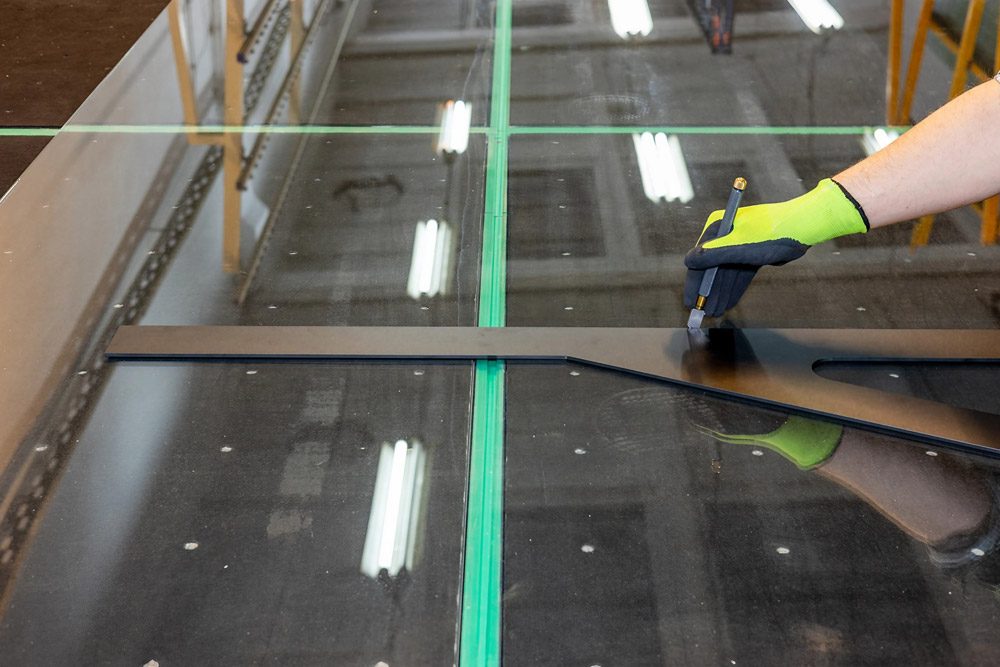
Precision Cutting and Glass Preparation
Every unit of insulated glasses starts with carefully cut panes that are on point of dimensional considerations. The quality of glass preparation guarantees transparency, stability, and uniform functionality in adverse architectural and environmental conditions.
Automated Spacer and Gas Filling Technology
TBK Metal applies automated use of spacers and controlled filling of argon or krypton gases. This provides the best cavity insulation, which minimizes the heat transfer, providing long-term reliability in commercial and residential undertakings.
Advanced Sealant Application for Maximum Durability
The application of dual seals is done with automated equipment to avoid the entry of moisture and the leakage of gases. This improves unit life cycle, structural integrity, and thermal performance in a variety of building applications.
Rigorous Testing and Quality Assurance Standards
All units of insulated glass are tested thoroughly for strength, accuracy of insulation, and resistance to the environment. These quality procedures ensure reliable performance that is in accordance with global architectural and energy efficiency standards.
TBK Metal manufactures innovative manufactured insulated glass that is fabricated to meet the current architectural requirements with precision. Our performance processes are built with quality to give long-term performance, sustainability, and reliable outcomes in global building projects.
Comparing Insulated Glass With Other Glass Types
Insulated glass has performance benefits that make it superior to conventional glazing products. Comparisons of its structure with other forms of glass point out major differences in efficiency, durability, and compatibility with other systems, such as frameless glass balustrade features.
Insulated Glass vs. Single Glazing
Single glazing offers very low thermal insulation and sound damping. Glass with insulation provides a better functionality, it conserves energy and makes it more comfortable, and is much more appropriate in modern architecture.
Insulated Glass vs. Laminated Glass
Laminated glass has high impact protection and safety; however, it has lesser thermal protection. Insulated glass is used to integrate several panels to enhance energy saving, but it is also capable of supporting security-oriented construction needs.
Insulated Glass vs. Tempered Glass
Tempered glass has the advantages of strength and safety, but does not substantially decrease the amount of heat transferred. Insulated glass is more thermally resistant and offers higher performance on commercial and residential projects that are conscious of energy consumption.
Insulated Glass vs. Tinted or Reflective Glass
Coloured and reflective glasses will cut down on glare and heat intrusion, yet cannot be compared with multi-pane units regarding insulation performance. Insulated glass is clear and provides moderate thermal and environmental performance.
Through these comparisons, it can be seen that insulated glass is favored in high-performance buildings that are efficient. This is due to its high insulation and flexibility, which is cost-effective in the long run and enhances the modern architectural solutions in diverse project needs.
Maintenance, Cleaning, and Longevity Tips
Insulated glass will work well in the long run with proper maintenance. Periodic cleaning, maintenance, and care are done, which allows maintenance of clarity, insulation efficiency, and long-term structural viability in contemporary architecture.
Use Non-Abrasive Cleaning Methods
Wash lightly with mild soap and soft cloths to avoid scratches. Hard chemicals or abrasive pads should be avoided, as they may damage the coating and decrease the optical and thermal performance of the coating in the long term.
Inspect Seals and Frames Regularly
Inspect the perimeter of checks and framework for cracks or other apertures that can lead to the entry of moisture. Early identification can also facilitate the insulation keeping and avoid the permanent damage of the glazing system.
Prevent Excessive Moisture Exposure
Do not allow a lot of moisture to accumulate at the window sills. The minimization of the humidity by means of approaching glass surfaces aids in avoiding any problems with condensation and leads to increased lifespan of a unit.
Schedule Professional Assessments Periodically
Hire experienced technicians to test the performance of insulated glasses in the long run. Professional inspections assist in the discovery of signs of deterioration at an early stage, which guarantees further energy efficiency and maximum structural integrity of the building.
Insulated glass is transparent, effective, and durable with regular treatment and well-maintained conditions. These few measures will enable property owners to ensure that their investment is safe and will contribute to reliable performance during the duration of the glass unit.
Why Choose TBK Metal for Insulated Glass Solutions
TBK Metal is a reputable supplier of insulated glass products and solutions with outstanding quality, engineering accuracy, and durability. We are the established glass railing manufacturers supplying the integrated systems for the modern architectural requirements.
Advanced Manufacturing Technology
TBK Metal has automated production lines and quality controls to ensure that every insulated glass unit is of a global standard. This superior method provides steady performance, accuracy, and durability to high-intensity projects.
Comprehensive Architectural Solutions
In addition to insulated glass, we also offer complete architectural systems that are well integrated with the facades, railings, and building envelopes. Our solutions guarantee consistency, excellence, and a congruent look to modern construction designs.
Strong Technical Expertise and Engineering Support
Our engineers can give custom advice on specifications, installation, and performance requirements. This service is used to get the best outcomes out of clients, whereby all insulated glass systems are enhanced to fit the objectives of the projects and the environment.
Proven Reliability Across Global Projects
The products of TBK Metal find a global application in business towers, residential, and government buildings. Our reputation for reliability is used to signify consistent quality, high-quality material, and our commitment to customer satisfaction over the years.
TBK Metal has the expertise and integrated architectural solutions that are trusted to deliver improved performance in insulated glass systems. We are dedicated to innovation and quality, which guarantees reliable outcomes of the construction and design projects worldwide.
Frequently Asked Questions (FAQs)
Q1: What is insulated glass?
Insulated glass (IGU) is a type of glass that is made by joining 2 or more glass sheets together with a spacer and sealed to form a cavity that is filled with either air or gases. This architecture is better in thermal insulation, less heat transfer, and energy efficiency in modern buildings.
Q2: How does insulated glass improve energy efficiency?
The insulated glass reduces heat loss in winter and heat gains in summer. The closed space normally filled with argon or krypton gas serves as a thermal insulator, which assists buildings in retaining constant indoor temperatures and minimizing the use of HVAC energy.
Q3: What are the main components of an insulated glass unit (IGU)?
A typical IGU consists of an outer and inner glass layer, a spacer system, a moisture barrier in the form of a desiccant, insulating gas, as well as a robust perimeter sealant. These are the elements that contribute to the provision of high-quality insulation and durability.
Q4: What are the benefits of using insulated glass in construction?
Its benefits are increased thermal performance, starkly cut-down noise levels, decreased energy bills, increased comfort, and condensation resistance. The insulated glass is commonly applied in residential, commercial, and high-performance buildings.
Q5: Can insulated glass reduce noise?
Yes. The multi-pane building generates acoustical isolation, which lowers the external noise considerably. To have better sound control, the builders might opt to use panes that are thicker, a wider cavity, or insulating glass that is laminated.
Q6: Is insulated glass suitable for extreme climates?
Absolutely. IGUs are designed to resist temperature changes, direct sunlight, and extreme winters. Extreme climate performance can be added with low-E coatings, gas fills, and triple glazing.
Q7: Where is insulated glass commonly used?
It is popular in envelopes of modern buildings, facades, windows, doors, skylights, partitions, curtain walls, and thermal and acoustic performance of modern buildings. Commercial buildings are fast becoming dependent on IGUs as a means of sustainability and code compliance.
8: How long does insulated glass typically last before needing replacement?
A good quality insulated glass unit (IGU) has a life span of 15- 25 years when in normal use. A deteriorated perimeter seal may cause the loss of moisture or gas and lead to obtuse insulation and fogging, which requires a complete replacement.
9: Can insulated glass break or crack - and if so, can it be repaired?
Yes, insulated glass will not be impact-resistant and stress-resistant; it will crack and break. A fully-sealed IGU will not permit any work to be done upon the broken panes or broken seals, and the broken IGU will have to be replaced entirely.
10: Does insulated glass require any special cleaning or maintenance to preserve its performance?
Maintenance of insulated glass is normally done with regular washing of glass products. Apply Non-abrasive products and seal and frame regularly to make the elimination of hidden moisture formation possible, which can eventually restrict insulation effectiveness.
Conclusion: Insulated Glass as the Future of Modern Architecture
Glass with insulation is quickly emerging as a characteristic feature of contemporary buildings, offering unparalleled power provision and durability. Its high-tech capabilities are informed by increasing needs of sustainable, aesthetically pleasing, and future-oriented building solutions.
With the increasing rate of innovation, insulated glass will keep influencing the future-generation facades, interiors, and high-performance building systems. It serves as a very important asset to progressive architects, developers, and property owners all over the world.