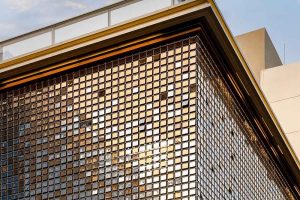
Overview of Sheet Metal & Plates
Sheet metal and metal plates are incredibly versatile and create elegant building elements or a versatile system of panels with unique patterns and designs. Selection of metal grades is a balance of the strength, anticorrosion, weldability, and cost.

Stainless Steel Sheet
Stainless steel sheet is durable, corrosion-resistant,recyclable, and can be used in various industrialapplications.
Aluminium Sheet
Aluminium sheet is dominant in packaging,construction and aviation industries because of itsdiverse structures.
Brass and Bronze Sheet
Our bronze & brass offer long-lasting, luxuriousfinishes that are versatile and used in classic andmodern settings.
Corten Steel Sheet
Corten steel provides weatherproofing, sustainability,and a unique rusting look for long-termarchitectural usage.
Discover details about our architectural products and metal decorations. You can download our brochure to see what premium products, design ideas, and project samples they have to offer.

Finish Options for Sheet Metal
There are diverse finishes available on the sheet metal, including brushed, polished, powder-coated, and so on. These finishes are used in decorative, architectural, and industrial uses and help in enriching their aesthetic and utility purposes.

Mirror
Well-polished reflective surface, which gives interiors a premium look, modern attraction, and easy clean features.

Vibration
Swirled finish masks scratches and gives a plucked artistic appeal, and improves the life of heavy-use applications.

Sandblasted
Matte, smooth film layer due to blasting with abrasive, making this less reflective yet more textured and resilient.

Satin
Balanced surface smooth, soft, sheenuous durability, quiet class, and low-maintenance usability between projects.

Hairline
Linear brushed texture with elegance, resistance to scratching, and a contemporary look to architectural surfaces.

PVD-Coated
Using a coating that provides lustrous colors, high hardness, and corrosion resistance of stainless steel surfaces.

Patina
Made naturally or through chemical means, the oxidized layer has antique aesthetics and environmental advantages.

Bonded Metal
Homogenous method of painting offering fluid texture, higher-end appearance, and custom design opportunities.

PVD-Coated
Using a coating that provides lustrous colors, high hardness, and corrosion resistance of stainless steel surfaces.

Anodized
Aluminium is used in architecture where electrochemical treatment improves its corrosion resistance, color, and wear.
The right finish changes the look, durability, and functionality of sheet metal, which can enable a designer and fabricator to gain not only visual but also long-term functionality in any project.
Pattern Options for Sheet Metal
Sheet metal has a variety of patterns, including both geometric piercing and elaborate embossing. These designs optimize aesthetics, functionality, and customization, with each project being uniquely designed to meet design and practical needs.

Embossed
The patterns are shaped using the art of heat, pressure, and patterned rollers to create elaborate and decorative designs.

Perforated
Meticulous perforating and shaping of metal forms varying designs, intertwining beauty and radioactive architectural use.

Expanded
Expanded metal is lightweight, large-format panels with diamond openings and used in fencing, screens and floor grating.

Etched
Our laser-etched metal can be used as a permanent, attractive design for customizable architectural and commercial use.

Laser-Cut
Our CNC cutting is extensively utilized with sheet steel to provide fast, accurate, and quality metal fabrication outcomes.

Water Ripple
The water ripple metal sheets are of superior grade, high-density stainless steel with a rippling-inspired appearance.

Hammered
The classical artistry of hammered surface brings a unique beauty, strength, and value to modern and traditional styles.

Corrugated
These metal sheets with wave textures are lightweight, durable, weatherproof, and suitable for roofs, walls, and fences.
The choice of the appropriate sheet metal pattern integrates both design and functionality that come with eye-catching designs, and at the same time meets structural and practical needs.


Comparison of Different Types of Sheet Metal
There is a variety of sheet metal, which can be subdivided into a variety of materials with different properties depending on use. It is also beneficial to know which types of stainless steel, aluminium, brass, bronze, and Corten steel are the best to use.
| Material | Key Features | Advantages | Typical Applications |
| Stainless Steel | Corrosion-resistant, durable, strong | Low-maintenance, long-lasting, versatile | Architectural panels, kitchen, industrial use |
| Aluminium | Lightweight, malleable, corrosion-resistant | Easy handling, flexible design, corrosion protection | Facades, roofing, decorative panels |
| Brass | Warm golden tone, highly workable | Decorative appeal, develops patina, durable | Fixtures, accents, decorative elements |
| Bronze | Strong, corrosion-resistant, reddish-brown color | Durable outdoors, classic aesthetic | Sculptures, outdoor panels, architectural accents |
| Corten Steel | Weather-resistant, forms protective rust patina | Unique industrial look, sustainable, strong | Exterior architecture, landscaping, art |
A choice of good sheet metal is based on aesthetics, strength, corrosion resistance, and weight, and allows designers and engineers to achieve useful, attractive project results.
Highlights of Sheet Metal & Plate for Architectural Projects
The sheet metal and plates become an architectural canvas to be creative and experiment with. Durability of stainless steel and simplicity of artificiality of aluminum enable the architect to combine functionality, beauty, and sustainability in modern design.
Versatility in Design
Architects also identify sheet metal and plates as strong design possibilities. This capability of designing elaborate patterns, a variety of shapes, and dramatic textures promotes the architectural beauty, personalization, and distinguishes buildings.
Durability and Longevity
The choice of stainless steel and aluminum makes it durable in conditions that are not entirely certain to ensure timeless structures. They have long-term performance, thus reducing maintenance requirements and stability in construction solutions.
Corrosion Resistance
Particularly good in aggressive environments stainless steel is the preferred choice for architectural ventures that are exposed to adverse weather conditions or sea forces. It assures a long-term permanent solution for such tough environments.
Lightweight Solutions
The essence of lighter weight that aluminum offers reduces, installation and movement, which is a very important factor in architectural design where managing the weights plays an essential role in decision making as well as project success.
Energy Efficiency
Sheet metal/plates assist in promoting energy conservation by developing reflective surfaces to augment natural lighting in the home. This saves energy consumption since the artificial lighting requirement is reduced, enhancing building sustainability.
Custom Finishes
Architects have a wide choice of finishes from the pristine glossiness of bead-blasted stainless steel to anodized or powder-coated aluminum. The properties of this array enable deliberate design and it blends effortlessly with other larger frameworks.
Green Building Practices
Architects are drawn to aluminum, stainless steel, and brass because these are all recyclable materials that are eco-friendly. They are used to promote sustainable energy-saving designs and fit perfectly with the philosophy of green architecture.
Structural Integrity
Sheet metal and plate materials are the important ones in architectural design that provide both support as well strength whether for roofing, facade, or decorative items. It improves the total structural safety and resilience, based on integrity.
Sheet metal makes architectural structures strong, durable, flexible, and aesthetically attractive, and is thus vital in sustaining as well as appealing to the eye, the construction projects.

How to Choose Sheet Metal Products for Your Project
The material, thickness, strength, corrosion, finish, and fabrication requirements consideration towards the good functionality and a good appearance are what you have to be keen on to determine the best sheet metal selection in your project.
Material Type
The properties of stainless steel and other metals such as aluminium, brass, bronze, and Corten steel include corrosion, strength, weight, and appearance. Choose what belongs to you, both with regard to the environment and functionality.
Thickness and Gauge
The thickness of sheet metals has a direct effect on the strength, flexibility, and ease of fabrication. The thicker sheets are more durable, whereas the thinner sheets can be easily cut, bent, and shaped to create designs that are more accurate.
Corrosion Resistance
In terms of corrosion resistance, one should remember that it can be used outside or in damp places. Stainless and aluminium are very resistant; however, the corten and brass, and the bronze possess a protective layer forming patina over time.
Finish and Appearance
Concentrate on the appearance of the desired result in choosing sheet metal. Finishes such as brushed, polished, mirror, powder-coated, or a textured finish not only look good, but also offer a level of additional durability and corrosion resistance.
Strength and Durability
Determine the mechanical strength needed to support your project to be durable and performance-wise. Stainless steel is heavy-duty but offers a lightweight and stable substitute in the form of aluminium without a reduction in structural integrity.
Fabrication and Formability
For some types of metals, cutting, bending, or embossing is less difficult, so fabrication becomes more effective. Using the right material that fits your process is essential to provide the correct patterns, correct designs, and quality work in each project.
Cost and Budget
In selecting metals, performance in the material and project budget should be taken into account. The high-quality products, say stainless steel, are, however, more costly but much more long-term reliable and readily available cheaper in the long term.
Project Requirements and Environment
Assess the loading aspect of your project, weather exposures, as well as design requirements. The type of sheet metal used under these conditions will ensure that they are durable, produce suitable output, and produce aesthetically pleasing products.
With such considerations, you will be able to choose the most appropriate sheet metal products to suit your project’s functional needs, and yet achieving the aesthetic appeal that you want.
Frequently Asked Questions (FAQs)
On our sheet metal and plate FAQs, see the different building possibilities with our sheet metal and plate. The manual addresses the characteristics of alloys and the option being highly versatile with stainless steel and lightweight with aluminium.
Q1: What types of sheet metal are commonly used in architectural projects?
Mostly sheet metals, such as stainless steel, aluminum, copper, and Corten steel, among others, are widely used by architects due to their certain characteristics. This diversity allows architects to make wise decisions in line with design preferences as well as the influences of the environment.
Q2: How does stainless steel contribute to architectural design?
Stainless steel is prized for its strength, resilience to corrosion, and appealing look that has embedded it in architectural creations. Users cherish the robustness of this gadget as a result of its high design adaptability, long lifespan, and performance in various environmental circumstances.
Q3: What finishes are available for sheet metal in architectural applications?
Some of the numerous finishes applicable to sheet metal are polished, brushed, or anodized powder-coated First of all, they increase the aesthetic side but at the same time majorly benefit in giving more anti-corrosion protection which leads to long life and reliability.
Q4: What role does aluminum play in architectural projects?
Because of its lightness, aluminum stands out in applications that pay close attention to weight. With great corrosion resistance combined with easy installation, aluminum is an ideal resource to provide nose cone versatility in any design solution.
Q5: Are sheet metal and plate materials environmentally friendly?
Most of the sheet metal materials such as aluminum and stainless steel products are recyclable which means that they follow various principles endorsing green buildings. Architects prefer to use recycled materials and apply ecological constructions as a priority.
Q6: How do sheet metal and plate contribute to energy efficiency in architecture?
Through the use of reflective properties in such materials, we can maximize natural daylight minimizing artificial usage and hence enabling energy saving. With such qualities, architects can easily include them in their designs to come up with green and sustainable design solutions.
Q7: What are the maintenance requirements for sheet metal in architectural applications?
Maintenance varies with the material. In general, stainless steel hardly needs maintenance, but other metals may need periodic cleaning or protective jackets to maintain their looks and performance over time.
Q8: Can sheet metal be used for structural applications in architecture?
Sheet metals and plate materials form a fundamental part of the mechanical components that support architectural structures meant to provide strength along with stability. They have uses in roofing, facade, and feature elements functioning as complementary parts of architectural fixtures, varying to suit different forms of architecture.
Q9: What customization options are available for sheet metal plates?
TBK Metal can be customized to a great degree, allowing the size of the tube, images laser-cut, finishes, and materials to be selected depending on the specifics of your project. This is done in order to ensure that the functional and aesthetic needs are met.
Q10: How do I choose the right sheet metal material for my application?
The selection of sheet metal depends on the requirements of the project – factors like strength, resistance to corrosion, weight, finish, and cost of sheet metal must be considered to align the performance of the sheet metal with your design objectives.

Why Trust TBK Metal for Your Elevator Project?

TBK Metal offers stainless steel elevator panel which is excellently finished, beautiful in wear and tear, solid in engineering, and classy. What we had experienced made us maintain the safety standards of any project and exceed the expectations of the clients.
Industry Expertise
Our highly skilled team knows how to optimally produce the metal products and guarantees to create a finish that is in line with your aspirations.
High-Quality Materials
We employ superior quality stainless steel panels for captivating and enduring metal finishes giving architectural or interior design projects longevity.
Custom Solutions
The stainless steel elevator panels can be produced in the preferred or desired hue, surface texture, and weave structure that you desire for your project.
Exceptional Service
Making customers content is always our goal, and effective communication, problem solving, and timely help guarantee a smooth project process.
Sustainable Practices
Such as using environmentally friendly materials, recycling, and reducing waste, to achieve aesthetically attractive and sustainable stainless steel panels.
Competitive Pricing
Our fabrication services are affordable while still providing high quality and we ensure that our prices are amongst the fairest in the market today.
Contact Request
Are you in need of quality architectural metal products? Contact us now for professional sheet metal fabrication services to meet your project requirements. Our team is prepared to give excellence, durability, and great, precise designs that you envision.
Contact Form
Headquarters (China)
- No. 2 Xingye 8th Road, Guanglong Industrial Park, Chencun Town, Shunde, Foshan, Guangdong, China.
- +86 757 2936 1513
- info@tbkmetal.com
Qatar Branch
- Industrial Area Street 48 Building 11 P.O Box:16149, Qatar.
- +974 4421 9240
- info@tbkqatar.com
Saudi Branch
- 3148 Abi Asim Al-Shaibani Street,8154 Al-Musfat District,Estern Ring road- 2nd industrial city, Riyadh 14546, Saudi Arabia
- +966 53 870 5038
- info@tbkmetalksa.com
India Branch
- NA Chambers1, # 3 J, 2nd Floor, 7th ‘C' Main Rd, Koramangala 1A Block, SBI Colony, Koramangala, Bengaluru-560034
- +86 757 2936 1513
- info@tbkmetal.com
Latest Posts

Kinetic Facade System: Design Principles, Types, Benefits, and Applications
Overview of Kinetic Facade The Kinetic facade system are movable elements designed to adapt to environmental changes, using innovative materials, mechanisms, and design strategies to provide benefits for

Black Patina Finish on Stainless Steel: What Is It and How Is It Made?
Black patina finish is a dark color finish that will retain the metallic look and surface texture of stainless steel and will continue to grow

Perforated Corten Steel Facade Panels for Modern Architecture
A cladding system that integrates weathering steel and engineered perforations, providing the architect with controlled daylight, controlled ventilation, durability, and a naturally accruing protective rust

What Is Carbon Steel? A Complete Guide to Properties, Uses, and Benefits
Carbon steel is a steel alloy that is made up of iron and carbon, with the carbon content usually between 0.05% and 2.1%. This makes