
Table of Contents
ToggleThe melting points of aluminum are very significant in the establishment of its strength, performance, and thermal stability. The knowledge of such values assists engineers in choosing the right alloys in a particular industry.
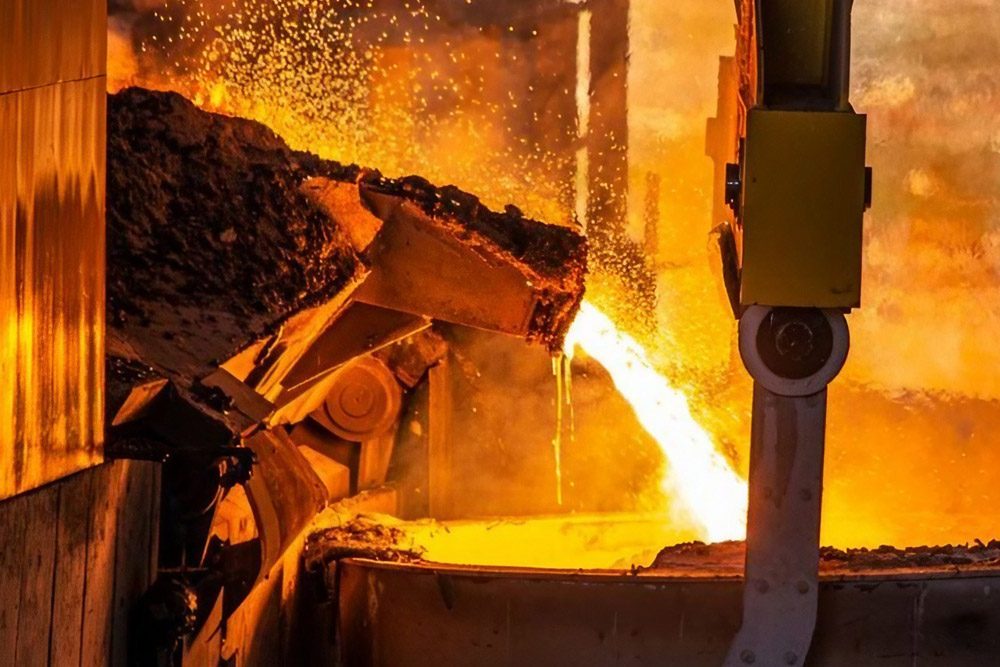
Aluminum alloy has varying melting ranges, which include 5052, 6061, and 7075, which have different impacts on the processing and durability. Such knowledge guarantees accurate control in production and product design of high performance.
The Science Behind the Melting Points of Aluminum
The melting points of aluminum are subject to atomic structuring and alloying elements. The knowledge of these scientific concepts assists the engineers in the management of the heat treatment process, strength improvement, and the structural performance of the metal.
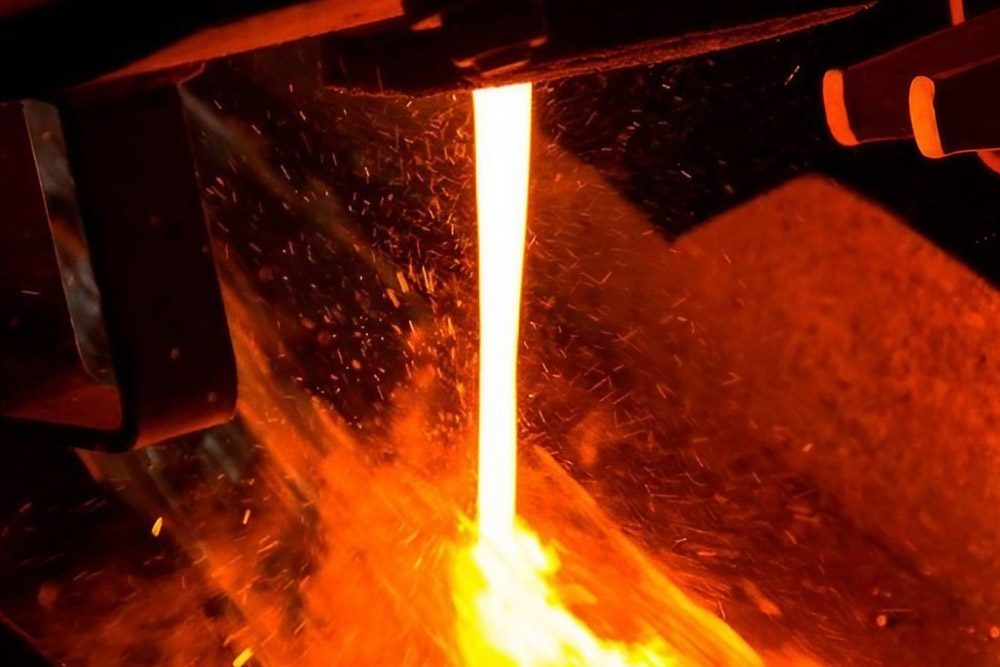
Atomic Bonding Strength
The melting resistance of aluminum is defined by the metallic bonds. Bonds formed with greater strength are more resistant to breaking, and hence an elevation in the melting point and resistance to heat in all manner of engineering work.
Alloying Elements
By including magnesium, silicon, or zinc, the melting points of aluminum are changed. These elements alter the crystalline structure, reduce the melting temperatures, and enhance features to suit particular manufacturing processes and performance needs.
Impurities and Grain Structure
Half-baked grain boundaries and impurities have an influence on heat flow and solidification. The refining process is controlled to provide homogeneity in the melting process, hence, the quality and consistency of materials in the industrial use of aluminum.
Thermal Conductivity
Its thermal conductivity is high; hence, even heat distribution is achieved during melting. This property reduces local overheating, which means that there is no sharp solid-to-liquid interface during alloy processing and shaping.
The science on the melting behavior of aluminum gives us an understanding of its reliability with regard to heat. Such knowledge allows for making accurate choices of alloys and undertaking better quality control regarding high-technological manufacturing facilities.
Key Aluminum Alloys: 5052, 6061, and 7075 Overview
To choose an alloy between 5052, 6061, and 7075, it is essential to know the density of aluminium. The distinct densities, melting points, strengths, and resistance to corrosion of each alloy make it useful in particular fabrication and structural applications.
Aluminum Alloy 5052
5052 is known to have great corrosion resistance with moderate strength and has been used in marine and architectural design. The relatively low melting range enables it to be easily formed and fabricated effectively under heat.
Aluminum Alloy 6061
6061 is a high-strength, well-weldable, and thermal-balanced material. It is normally utilized in structure, and it is stable around melting points, and it facilitates accurate machining and thermal treatments.
Aluminum Alloy 7075
Zinc, as one of the main alloying elements, makes 7075 incredibly strong and hard. It has a great melting point, which improves its working ability in aerospace, auto, and heavy structural designs.
Other Aluminum Alloys
In addition to these grades, such alloys as 2024 and 5083 provide special melting behavior with various applications. Their structure affects the temperature tolerance, machinability, and compatibility with the contemporary production tools.
The melting properties of each alloy of aluminum determine the mechanical performance and usability of each alloy. These differences have been identified to ensure that suitable materials are chosen to achieve efficient, reliable, and temperature-sensitive engineering solutions.
Comparing the Melting Points of Aluminum Alloys Across Series
The performance of aluminum alloys can be compared by comparing their melting points in terms of the effect of composition and processing. Different alloy series exhibit different heat tolerance with implications for their application in manufacturing and structural processes.
5000 Series (e.g., 5052)
The 5000 series, which contains magnesium melts between 565 °C and 640 °C. This medium range enhances great formability, resistance to corrosion, and is applicable to marine and architectural fabrication.
6000 Series (e.g., 6061)
The 6000 series melts between 580 °C and 652 °C with the addition of silicon and magnesium. It has an ideal temperature range of operation, enabling maximum strength retention and accurate heat metalworking.
7000 Series (e.g., 7075)
The 7000 series alloys that contain Zinc have melting points of 475 °C to 635 °C. Their thermal capability gives them extraordinary hardness and fatigue strength for the strenuous aerospace and high-stress components.
Other Series and Custom Alloys
The alloys, such as 2000 and 8000 series, are specialized and have distinct melting profiles. Their high compositions improve high-temperature properties, which is why they are used in energy, electronics, and precision manufacturing industries.
Comparison of the melting points of aluminum alloys depicts vital performance variability. This knowledge will help the engineers to maximize the alloy selection to allow alloy durability, fabrication ability, and heat-sensitive industrial uses.
The Relationship Between Melting Points and Metal Ductility
Flexibility and shaping behavior of materials can be directly dependent on the melting points of aluminum. Knowledge of this relationship assists the engineer in making forecasts and controlling heat treatment, as well as improving efficiency in forming during manufacturing processes.
Thermal Range and Deformation
Lower melting point alloys tend to be more formable. Managing heat levels enhances the metal ductility, which means that materials can bend without cracking, and the bending process can be easily performed.
Grain Structure Behavior
Grain size and its orientation are changed by heating close to the melting threshold. Fine-grained structures are more ductile and thus can perform and sustain better mechanical performance and strengths against tensile or compressive stress.
Alloy Composition Influence
Magnesium and zinc are some of the elements that influence solidification behavior. The level of their interaction defines the level of ductility through the control of the phase distribution and the capacity of the alloy to retain flexibility when subjected to thermal conditions.
Heat Treatment Effects
Both ductility and strength are maintained by fine annealing at temperatures close to sub-melting. This is done to guarantee an enhanced toughness and flexibility balance that is suitable for complex manufacturing and structural fabrication.
Knowledge of how the melting point influences the ductility of metals enables the manufacturer to maximize the behavior of materials. This understanding makes aluminum parts have the ideal balance of flexibility, strength, and temperature resistance.
From Heat to Shape: How Metal Forming Depends on Alloy Temperature
Temperature control is very critical to the efficiency of shaping alloys of aluminum alloys. Knowledge of the influence of heat on strength, flexibility, and melting behavior is critical to both precise metal forming and product behavior.
Temperature and Formability
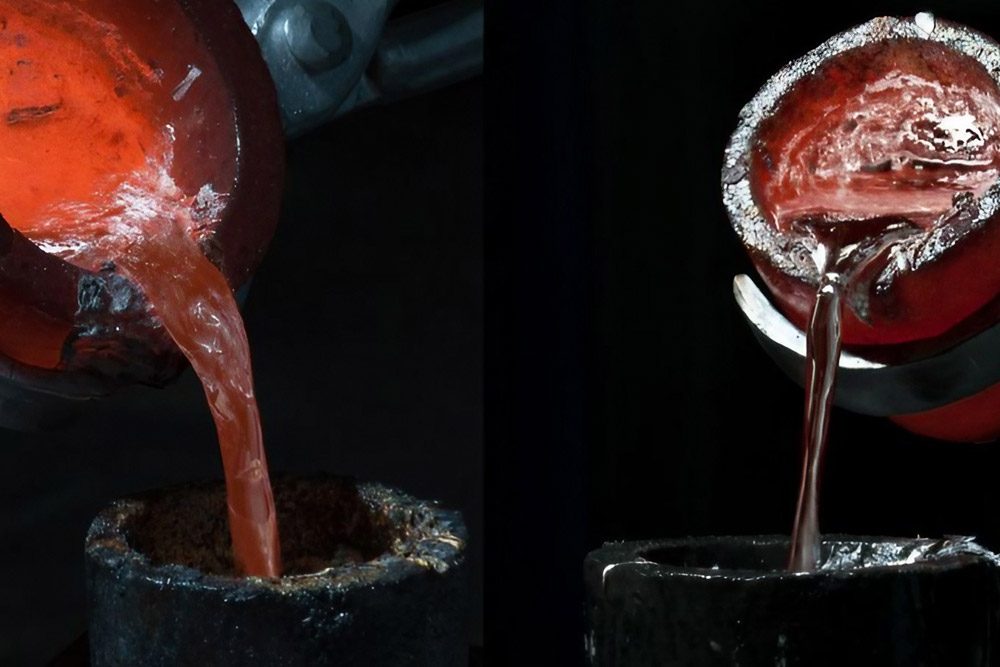
The ease of shaping is determined by the range of temperatures of each alloy. Optimal temperatures enhance plasticity that will mitigate cracking tendencies but will also promote structural uniformity at high levels of metal forming operations.
Phase Transformation Control
Optimal heat is recommended to guarantee the phase changes between the solid and semi-solid phases. This is used in high uniformity in alloy texture to enhance dimensional and surface quality in making forms.
Tooling and Process Compatibility
Thermal conditions have to be compatible with alloy temperatures as well as tooling materials. Due to the proper synchronization, there is efficiency, less tool wear, and dependable shaping results in industrial forming conditions.
Cooling and Solidification Rate
The rate of cooling management following the formation maintains mechanical stability. Controlled solidification also reduces the internal stress, which enhances durability and does not alter the thermal and structural properties of the alloy.
Metal forming Temperature regulation in metal forming guarantees the precision, consistency, and strength of aluminum alloys. The ability to control the dynamics of heat aids in effective shaping, finish quality, and durability of use in manufacturing.
Precision and Quality in Metal Fabrication Using High-Temperature Alloys
Aluminum alloy for high temperature requires ultimate accuracy in production. The thermal behavior and material response are important to control the structural integrity and high quality of the advanced metal fabrication processes.
Temperature-Driven Stability
Alloys are made of high temperature where they remain strong and shaped at high temperatures. A high level of heat control will avoid any warping, so that the dimensions will be held constant during the welding, cutting, and forming processes under complex metal fabrication.
Welding and Joining Techniques
Adequate thermal control in the welding process has resulted in a continuous fusion of alloy parts. Balanced cooling and heating can eliminate microcracks, which lead to mechanical stability and durability of materials.
Machining and Surface Finishing
Controlled heat maintains alloy integrity through precision machining. Achieving optimum temperatures will result in the generation of smooth surface finishes, extremely tight tolerances, and less wear of the tools in critical fabrication processes.
Quality Control and Testing
The uniformity of alloys is verified through thermal monitoring and non-destructive testing. The techniques are used to make sure that all the manufactured parts pass through the safety, durability, and thermal-resistance tests before usage or installation.
Adding a keen thermal control to metal fabrication ensures maximum alloy behavior. Manufacturers attain high quality, uniformity, and dependability throughout high-temperature aluminum usage through proper temperature regulation and control.
Understanding Thermal Limits When Bending Aluminum Components
The temperature is very crucial during the shaping of the aluminum. The use of heat levels can be used to guarantee easy forming, eliminate cracking, and preserve the surface integrity when precision machining is required (e.g., bending aluminum parts).
Temperature and Elastic Recovery
The process of heating aluminum increases the reduction of internal stress and springback prior to forming. Through controlled thermal input, the desired angles and accuracy of the results of the process are guaranteed when bending aluminum into complex structural or decorative shapes.
Alloy-Specific Heat Sensitivity
The various alloys react differently to heat. Knowledge of the softening point of each alloy will help avoid distortion of the structure, and it will be stable during controlled thermal bending and shaping processes.
Surface Protection and Finish
Surface finishes or coatings might change under intense heat. The aesthetics are preserved by proper temperature management, which is where polished anodized aluminum maintains its original luster following its formation.
Mechanical Stress and Strain Distribution
Equal application of heat throughout the bend area guarantees equal strain. This lowers the fatigue of the material, minimizes any cracking, and does not decrease the mechanical strength of the completed aluminum component.
The ability to control temperature during the bending of aluminum avoids deformation and defects. The appropriate heat control promotes dimensional precision, material longevity, and aesthetic appeal in various architectural and industrial uses.
The Role of Bending Sheet Metal in Alloy Testing and Prototyping
Bending sheet metal is also a very important assessment technique in alloy development. Controlled bending tests provide material strength, flexibility, and thermal response that are essential in the accurate prototyping and design validation.
Evaluating Structural Performance
Engineers determine mechanical limits in stress conditions through bending sheet metal tests. These tests would define the way alloys respond to pressure and direct the increase of strength, elasticity, and consistency of performance.
Thermal and Mechanical Correlation
Simulations of the real world are through heat exposure during bending. The response in terms of thermal variations to the flexibility can be found through testing, which is used in refining alloy compositions to be used in heat-resistant and formable industrial work.
Precision in Prototyping
Modeling Structural responses allows designers to control the bending before going to full-scale production. This is done to guarantee functional accuracy that minimizes waste of materials that are expensive and enhances the reliability of the end product.
Material Innovation and Optimization
Alloy improvements are inspired by the bending experiments. The information obtained by examining the pattern of deformation and analysis of fractures assists engineers in designing compositions that are more manufacturable and durable in diverse applications.
Incorporation of sheet metal bending into alloy testing makes innovation quicker. It gives useful information regarding thermal stability, strength, and flexibility- secure prototyping and reliable performance when used in aluminum in the future.
Frequently Asked Questions (FAQs)
Q1. What is the melting point of pure aluminum?
The melting point of pure aluminum is approximately 660 °C (1220 °F). This is the temperature at which solid aluminum changes to liquid, and this is very crucial in casting, welding, and other fabrication processes involving heat.
Q2. Do aluminum alloys melt at the same temperature as pure aluminum?
No, pure aluminum generally melts within a narrower temperature range than aluminum alloys. They might have melting points that range approximately between 500°C and 670°C, depending on their alloying elements.
Q3. Why does the melting point vary between alloys like 5052, 6061, 7075, etc.?
The melting point is modified due to alterations in the crystalline structure of the aluminum by various alloying elements (such as magnesium, silicon, zinc, copper, etc). Those modifications affect the strength of atom bonding and hence alter the melting temperature.
Q4. If I exceed the melting point of an aluminum alloy, what happens during processing?
Surpassing the melting point, aluminum becomes molten and loses its formability, shape, and strength. The correct melting temperature or melting range is very important to the safe and proper casting, welding, and heat treatment procedures.
Q5. Can aluminum be used in high-temperature applications given its melting point?
Due to its low melting point (in comparison to steels or other high-temperature metals) and that of most of its alloys, it is not appropriate for high-temperature structural forms. Other metals can be even more suitable when it comes to high-heat resistance.
Q6. Does the purity of aluminum affect its melting point?
Yes. Aluminum that is purer fuses at a temperature that is nearer to the usual melting point (660 °C). The presence of impurities or alloying elements moves the melting point down or increases the range of melting points.
Q7. When selecting an aluminum alloy for fabrication, should melting point influence my decision?
Absolutely. The melting point of an aluminum alloy determines its formability, welding, heat treatment, and general structural, decorative, or thermal use. Thus, the alloy choice has to take into account thermal behavior and strength, and corrosion resistance.
Q8. Do common processing methods (like welding, cutting, bending) require special considerations due to aluminum’s melting point?
Absolutely. Aluminum has a very low melting point, and therefore, heating and welding of aluminum, casting, and heat treatment processes should be done carefully. The burn-through may be attributed to poor management, especially when dry sheets are being used.
Q9. Are there significant differences between series (e.g., 5000 vs 6000 vs 7000) in terms of melting behavior?
Yes. The aluminum series is defined by special alloy compositions, and this means that these melt differently. This variation influences the amount of heat conductivity and determines its suitability in a particular fabrication or manufacturing process.
Q10. If I need to know the melting point for a custom or uncommon aluminum alloy, how should I proceed?
When using an unusual or custom aluminum alloy, it is always advisable to look at the datasheet of the supplier. This data has been written down in its details, and the melting range, solidus, and liquidus have been provided to attain precise and safe processing.
Conclusion: What the Melting Points of Aluminum Tell Us About Material Innovation
The melting points of aluminum can easily be used to identify the behavior of the alloy, strength, and its heat resistance. The awareness of the factors may assist the industries in manufacturing efficient, durable, and performance-oriented materials.
Advancement of alloy science continues to refine the thermal regulation and accuracy of manufacture. In the art of melting dynamics, engineers push to the extreme the sustainability in design, structural innovation, and material dependability in the long term.


