
Table of Contents
ToggleAreas with pedestrian density are a special problem for city planners, and they need special approaches that are both safe and accessible. Lack of design will cause more risks, less mobility, and damage the urban experiences of daily commuters.

The protection of a traffic control solution is to guarantee all safety and also to achieve efficient circulation in a city. Infrastructure that is carefully designed not only avoids accidents but also increases its usability to ensure people and vehicles live in harmony.
Understanding Pedestrian Behavior and Urban Flow
The control of pedestrian-intensive areas requires people to comprehend the movement of people in common spaces. One of the factors that are essential in designing effective traffic control solutions that are safety-oriented is the crowd behavior, flow patterns, and congestion points.
Peak Hour Congestion
Pedestrian crossing increases during the rush times in transit hubs and commercial areas. These high-density times can be identified so that the planners can create infrastructure that will minimize overcrowding and promote safe movement.
Crowd Psychology
Groups tend to take up their course of nature and tend to move towards open spaces or well-known routes. The expectation of such behaviors enables the use of the traffic control measures that avoid the bottlenecks and make the urban movement efficient.
Mixed-Use Environments
The presence of retail, dining, and transportation areas forms erratic flow dynamics. Such patterns can be analyzed to enable urban planners to distribute flexible pathways to guarantee safety and accessibility, as well as to promote economic activity and liveliness of the city.
Cultural and Seasonal Factors
Cultural habits, festivals, and changes of seasons have a great impact on foot traffic. The creation of flexible infrastructure will help cities to take into consideration the various crowd sizes, as pedestrian safety, convenience, and general mobility are not threatened.
Traffic control solutions can only be developed by understanding pedestrian movement. When the congestion points, behaviours, and seasonal trends are analyzed, the cities can introduce flexible systems that can balance safety, efficiency, and accessibility.
Safety First: Core Principles of Pedestrian Protection
The concept of designing pedestrian-intensive areas is based on safety. Good traffic control systems give emphasis to secure walkways, controlled vehicle traffic access, and long-lasting protective structures, so that the civic areas can be useful, safe, and friendly to all.
Physical Barriers
Barriers inhibit the character of vehicle traffic that enters walking areas. To be advised on how to pick them and their advantages, read Reasons Why Installing Metal Bollards to find out how they provide safety long-term without interfering with city mobility.
Controlled Crosswalks
Crosswalks are marked and signalized to minimize the risks to pedestrians and drivers. The use of technology, such as the countdown timers, will provide improved compliance with minimum conflict and increased safety among the pedestrians.
Lighting and Visibility
Correct lighting enhances road safety among pedestrians in the dark and when visibility is low. Proper lighting of streets and crossings reduces the occurrence of accidents, deters such habits, and persuades people to walk the streets at night in cities.
Emergency Access Routes
Access should be maintained to emergency vehicles, but limit the general traffic. Premeditated routes and limited access points guarantee a fast reaction in cases of emergencies without affecting pedestrian safety or the general traffic regulations.
Physical safety, technology, and flexible planning are the main pillars of pedestrian protection. The cities design safe places by combining barriers, visibility, and emergency measures and safeguards lives and ensures urban operations.
Accessibility and Flexibility in Public Spaces
The planning of pedestrian-dense zones should be designed to balance utility and flexibility. Traffic control solutions should enable safe movement as well as flexibility in vehicle access to meet the current-day changes, seasonal activities, and urbanizing demands.
Universal Accessibility
Access for people with all capabilities is also kept safe through pathways, ramps, and tactile guides. Inclusive spatial planning encourages mobility and social justice that enhance a complete functioning pedestrian-friendly neighborhood.
Event-Based Flexibility
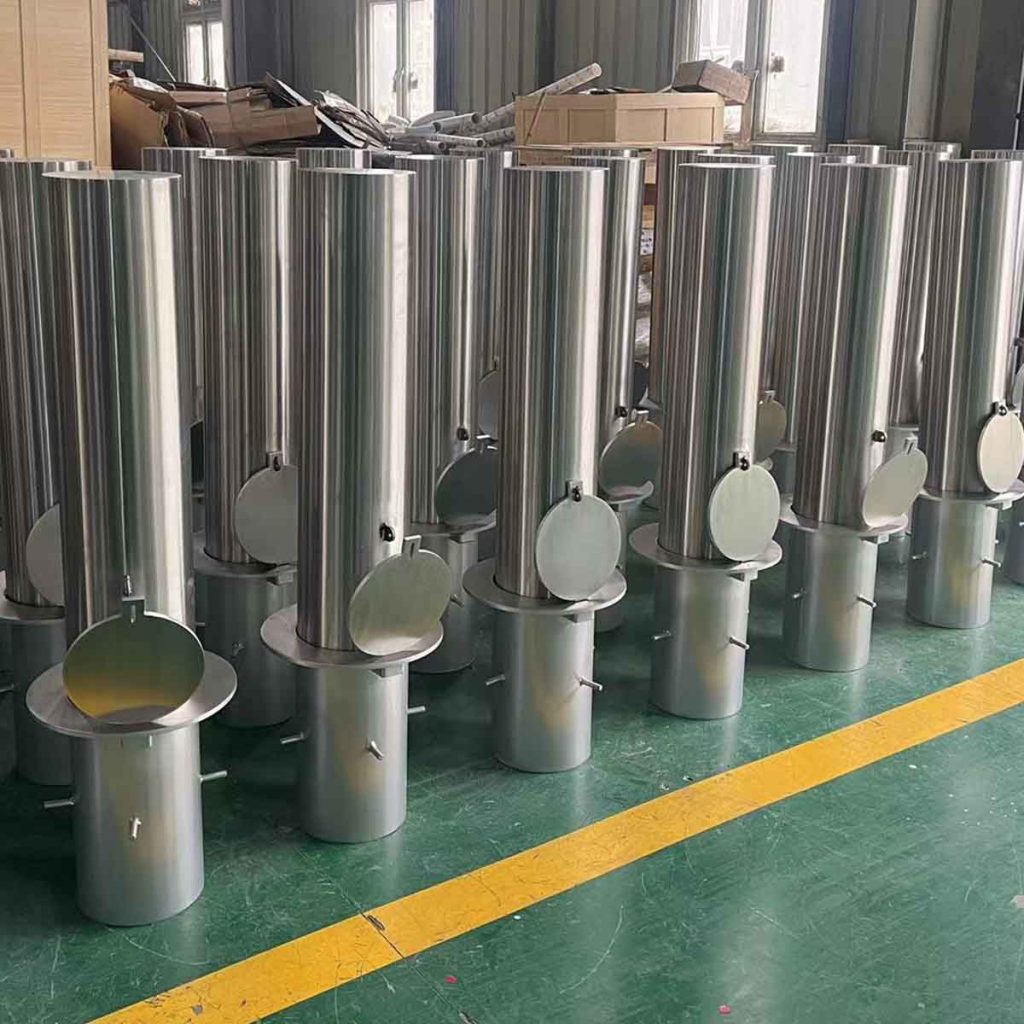
Festivals, markets, or temporary events are common in public spaces. Introducing flexible solutions such as removable bollards makes it possible to temporarily restrict vehicle traffic and ensure unhindered pedestrian movement in the event of high traffic.
Temporary Vehicle Access
The deliveries, emergency services, or maintenance should be controlled. Removable Bollards offer a reliable and yet adaptable means to provide an authorized and yet safe solution, without creating too much disturbance to pedestrian routes.
Scalable Infrastructure
Cities are developing and demand scalable solutions. Modular designs, adjustable barriers, and alterable pathways allow cities to be developed or changed to suit needs without affecting the safety or accessibility.
Vibrant and pedestrian-friendly spaces must be accessible and flexible. Such features as an ability to add and remove bollards make sure that areas for people are safe and also functional and sensitive to regular needs as well as special occasions.
Integrating Technology into Traffic Control Solutions
Traffic control solutions today are more and more based on technological changes to improve safety, efficiency, and flexibility. Smart systems simplify the movement of pedestrians, congestion, and control of accessibility to urban areas and capital space dynamically.
Smart Sensors and Monitoring
Pedestrian density, traffic patterns, and vehicle movement are sensed. Real-time information assists in dynamically adjusting access points and providing efficient control of crowds, and minimizing possible safety risks in pedestrian-dense areas.
Automated Access Control
It has automatic retractable bollards that are integrated to allow selective vehicles entry. When using bollards with a high degree of impact resistance, consult Understanding Crash-Rated Bollards to integrate automation with certified degrees of strength.
Data-Driven Planning
Gathered data allows making forecasts on the movement of pedestrians. Urban planners are able to streamline routes, placement of barriers, and timings of signals in order to enhance the safety, reduce traffic congestion, and realize more effective traffic control measures.
Remote Management and Alerts
Unusual activity alerts and live monitoring are centralized control platforms. The operators will manage to react fast to the incidents, control barriers, and ensure the safety of pedestrians without interrupting the general flow in the city.
Integration of technology changes the conventional traffic control solutions. The integration of sensors, automated locking devices such as automatic retractable bollards, and real-time tracking enables cities to make the areas with high pedestrian traffic safer, more flexible, and efficient in their use.
Traffic Control Solutions for Mixed-Use Urban Zones
Mixed-use cities and areas are a blend of business, residential, and transportation sectors, which form complicated human and traffic relations. Proper traffic control measures are struck between accessibility, safety, and flow to have vibrant functional urban spaces.
Zoning and Access Management
There are pedestrian and motorised pathways that are well defined. Parking Bollards for Commercial Spaces may be implemented at the entry to improve the security and minimize traffic jams and flow optimization in defined mixed-use areas.
Delivery and Service Scheduling
It coordinates the schedules of the delivery and service vehicles to reduce disruption. Specified walking time and restricted movement points eliminate bottlenecks and allow free movement of pedestrians through crowded mixed-use locations.
Shared Spaces Design
The combination of pedestrian streets, textured surfaces, and minimal obstacles will help to make vehicles go slower. Through this design philosophy, there is safe co-existence between pedestrians and necessary traffic.
Event and Peak Management
Pop-up events, street markets, and seasonal surges demand dynamic responses. The installation of portable barriers and portable traffic control systems can be used to regulate the increasing and decreasing pedestrian traffic effectively.
Developed urban areas require versatile measures of traffic regulation. Zoning, scheduling, shared-space design, and temporary solutions can allow cities to keep their public spaces safe, accessible, and vibrant to all users.
Case Studies: Global Cities Implementing Effective Traffic Control Solutions
An overview of international experience shows how cities are able to cope with the pedestrian-intensive zones. These case studies highlight new traffic control solutions that are safe, accessible, and efficient, and adapt to the local conditions and peculiarities of the urban environment.
London, UK – Pedestrian Priority Zones
London adopted massive areas of pedestrian-only spaces in central areas. Accidents were minimized, walking was promoted, and integration of public transport made cities safe by the use of strategic barriers, signage, and traffic control solutions.
Tokyo, Japan – Smart Intersection Management
Tokyo has developed hi-tech sensors and traffic control systems based on data to maximize the pedestrian flow. Real-time monitoring enables adaptive signals, which minimise congestion and still ensure high safety levels in busy urban crossings.
New York City, USA – Flexible Street Design
NYC proposed common streets and pop-up places. Temporary pedestrian barriers, lane diversions, and traffic management systems suit large pedestrian traffic during events and peak time periods.
Barcelona, Spain – Superblocks Concept
Superblocks in Barcelona limit access to vehicles in very populated neighborhoods. Combinations of physical barriers, rerouted traffic, and pedestrian-oriented infrastructure are examples of traffic control solutions with safety, sustainability, and livability in cities.
Global cities have shown that careful traffic management practices can increase the level of safety, accessibility, and urban functionality in terms of pedestrians. The experience of these cases informs future urban planning of flexible, effective, and people-focused urban space.
Hydraulic Retractable Bollards in High-Security Areas
There are high-security zones that require a strong traffic control system to avert unauthorized entry, yet ensure that the pedestrians are safe. Hydraulic retractable bollards are heavy-duty protection barriers for sensitive urban and institutional facilities.
Government Buildings Protection
Government offices and administrative centers are secured by hydraulic retractable bollards over entrances. Their speedy deployment eliminates the threat of vehicles at the same time ensuring a controlled movement of authorized personnel and emergency vehicles.
Stadium and Event Security
Big establishments have unpredictable human and vehicular traffic. Hydraulic retractable bollards are used to secure safe crowd control, prevent unauthorized access by vehicles, and make access flexible to emergency or service vehicles.
Transportation Hubs
Airports, train stations, and bus terminals need to have controlled vehicle access. Hydraulic retractable bollards are long-lasting and dependable, and protect the passengers without having to compromise the necessary vehicle access.
Critical Infrastructure Safety
High-strength bollards are useful in power plants, data centers, and hospitals. Hydraulic retractable bollards offer security against vehicular threats to support the essential services without interfering with the flow of pedestrians or city accessibility.
Hydraulic retractable bollards provide security, flexibility, and operational efficiency in high-risk environments. Combining these barriers provides the safety of pedestrians, controlled access by vehicles, and efficient use of traffic solutions in sensitive urban settings.
Balancing Aesthetics with Functionality in Traffic Control Solutions
The city traffic control systems should be practical and attractive. The infrastructure should be designed in such a way that safety features are incorporated flawlessly to improve communal areas, and at the same time ensure good pedestrian and vehicular control in urban high-traffic zones.
Material Selection
The use of such high-quality materials as metal, stone, or treated wood will enhance the durability and aesthetic values. Finished surfaces go hand in hand with urban design and are the reliable solutions to traffic control in pedestrian-laden locations.
Design Integration
Bollards, barriers, and signs used to control traffic must fit the architecture of the place. Considerable positioning guarantees safety without interruption of the aesthetic flow of the public areas.
Customization and Branding
Designs, colors, and finishes can be customized to enable infrastructure to be localized by culture or brand. Customized road management systems improve civic pride, and high safety standards are maintained.
Lighting and Landscape Harmony
Lighting and landscaping around the barriers enhance visibility and beauty. Strategic integration makes the spaces safer and more enjoyable to the eye by promoting the comfort and involvement of pedestrians.
Aesthetics and functionality keep traffic control solutions safe and enjoyable to the city. Careful planning, materials, and construction make the pedestrian-friendly areas aesthetically and functionally appealing.
Conclusion: The Future of Traffic Control Solutions for Pedestrian-Heavy Areas
Planning cities in the future is dependent on creative traffic control measures that consider walkers as the main priority in terms of safety, access, and efficiency. A combination of technology and data-driven approaches will change the urban settings in a sustainable manner.
Cities need to deal with functionality, beauty, and security, and handle the active pedestrian flows. Intelligent systems, hi-tech barriers, and adaptable designs make sure that the public areas are safe, beautiful, and robust enough to be enjoyed by several generations into the future.


