
Table of Contents
ToggleAluminum’s strength, versatility, and durability have made it a popular material in modern architecture. Cutting aluminum with laser allows for accurate fabrication, intricate designs, waste reduction, and high-quality architectural metal components.
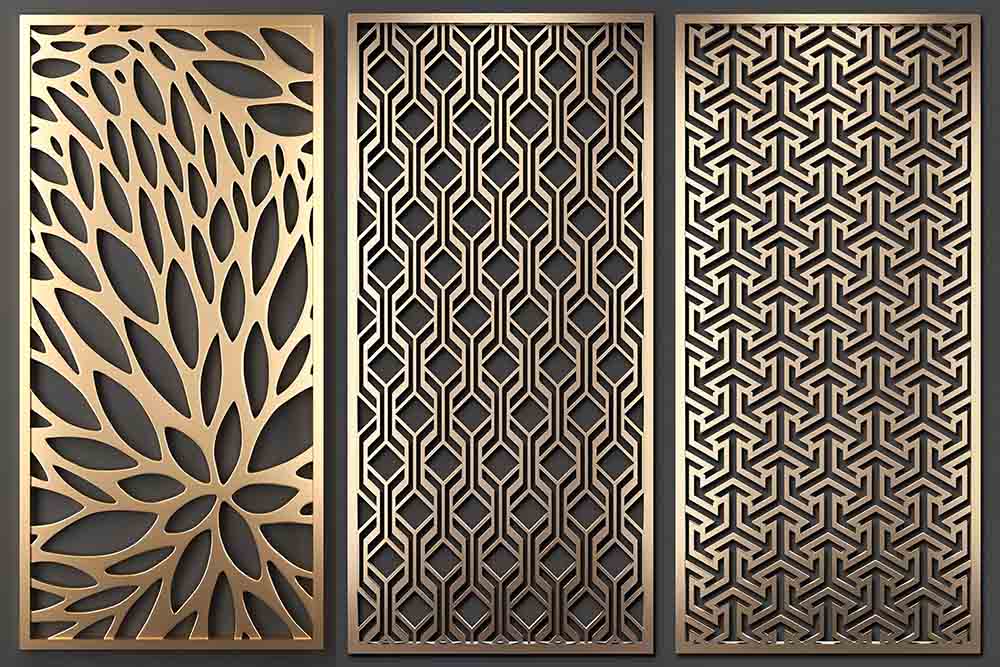
What Is Cutting Aluminum with Laser?
Cutting aluminum with laser allows for precise cutting of aluminum materials using a laser beam to melt or vaporize the material, thereby ensuring that the cutting process is accurate and the edges of the cut components are clean, smooth, and uniform.
Understanding the Process
The laser cutting process begins with a CAD-designed digital model, which is sent to a CNC laser system for processing, and the molten material is removed by the assist gas to obtain a smooth, accurate, and precisely finished edge on the aluminum.
Why Aluminum Requires Specialized Cutting Techniques
Because of high reflectivity and thermal conductivity, the traditional method is not sufficiently accurate for aluminum. Modern fiber laser systems overcome these issues, delivering accurate cuts, minimal heat distortion, and excellent material integrity.
The Evolution of Modern Laser Fabrication
The development of laser technology has significantly improved cutting speed, precision, and automation, allowing the fabrication plant to manufacture complex architectural parts with greater consistency and extend the range of custom aluminum design.
Common Architectural Applications of Cutting Aluminum with Laser
The versatility and precision of laser cutting offer a range of possibilities for the exterior envelope and interior features of buildings, helping architects create unique designs with excellent structural performance and durability in the exterior facade.
Decorative Exterior Facades
With laser-cut facade design, geometric patterns, branding, artistic expression, shading, and ventilation performance are applied to modern buildings using it.
Interior Feature Walls and Partitions
Laser-cut metal screens and partitions provide added functionality, privacy, spatial definition and visual interest in commercial, hospitality, retail and public interiors.
Architectural Ceiling Systems
Complex decorative ceilings are popular in modern architecture, using laser-cut ceiling design ideas for customized systems adding texture, depth, and visual interest.
Privacy Screens and Sunshades
Made from aluminum, the metal screens offer privacy, solar control, ventilation, heat gain reduction, comfort, and architectural building character and performance.
Customized Architectural Panels
Extremely detailed laser-cut aluminum panels allow architects to realize their creative vision and manifest it into a working facade, wall, balustrade, canopy, and installation.
From facades to interiors, laser-cut aluminum and custom aluminum fabrication deliver architects precision, durability, and exceptional design flexibility in modern construction.
Key Benefits of Cutting Aluminum with Laser
Laser cutting offers significant benefits for aluminum cutting in architectural metal fabrication, such as precision manufacturing, design flexibility, and quality aluminum components to meet the appearance and functional requirements of the project.
Exceptional Precision and Accuracy
For architectural uses where precise cuts with tight tolerances are required, combined with demanding details and patterns and limited secondary finishing, laser cutting is the best option.
Complex Design Capabilities
With laser cutting, the architects can achieve high manufacturing precision and produce intricate geometries and decorative patterns that offer custom design and artistic elements.
Faster Production Efficiency
Modern fiber laser systems work at high speed with stable output quality; CNC automation can quickly process the design, shorten the production time, and meet the schedule.
Material Optimization and Waste Reduction
Laser cutting software maximizes the utilization of aluminum sheets, minimizes scrap, cuts costs, and promotes sustainable, eco-friendly manufacturing and construction processes.
Cost-Effective Production
While the outlay for laser equipment is higher, the total cost of the project is lower due to less work, greater accuracy, minimal waste, quicker production, and more efficient operation.
Why Aluminum Is Ideal for Architectural Metal Fabrication
In the field of architectural construction, aluminum is widely adopted due to its light weight, strength, high durability, and design flexibility, which are critical characteristics for modern buildings that demand high performance and aesthetics.
Lightweight Yet Strong
Aluminum offers a very good strength-to-weight ratio, is less dense than steel, has good structural properties, saves in transport and handling, installation, and labor.
Excellent Corrosion Resistance
For exterior architectural use in coastal, humid, and urban environments, aluminum will form a natural oxide layer when exposed to air, offering corrosion resistance.
Sustainable and Recyclable Material
Sustainability is important in construction, and aluminum can be recycled without loss, using less energy in the process and contributing to the environment’s benefit in projects.
Compatibility with Custom Manufacturing
Aluminum’s formability allows designers to create unique architectural elements in various shapes and patterns, fostering innovative designs that blend functionality and aesthetic appeal.
Long-Term Architectural Value
Long-term value is assured by its durability, low maintenance, and timeless appeal, which can be used in facades, ceilings, cladding, and decorative architectural structures for decades.
Aluminum Grades Commonly Used for Laser Cutting
Depending on the specific applications in architecture and fabrication, various grades of aluminum offer different properties, which means it is important to choose the right grade to ensure superior cutting quality, strength, and durability.
Common Aluminum Grades for Laser Cutting
1050 Aluminum
Decorative and interior applications and complex forming projects are typical of 1050 aluminum, which is noted for its high purity, excellent corrosion resistance, and workability.
3003 Aluminum
3003 aluminum has a balance of strength, corrosion resistance, and formability and is commonly used in architectural panels, decorative cladding, ceilings, and for fabricating sheet.
5052 Aluminum
5052 aluminum is stronger than 3003 but still possesses excellent corrosion resistance and is suitable for exterior architecture, marine, and extreme weather conditions.
6061 Aluminum
6061 aluminum is more ductile, easier to machine, and more corrosion-resistant, and is recommended for structural purposes and high-loading architectural applications.
How to Select the Right Grade
The choice of aluminum grade is dependent on location, structure use, appearance, complexity, and cost requirements; decorative uses include formability, and structural uses include strength – expert fabrication advice ensures optimal material selection.
Material Quality Considerations
In both cases, high-quality aluminum sheets will help to achieve greater cutting accuracy, edge quality, and finish, with consistent properties that will ensure reliable results in fabrications and provide an even better quality of architectural metal components.
Surface Finishes for Laser-Cut Aluminum Components
For architectural applications, laser-cut aluminum components can greatly benefit from surface finishing processes that will improve their performance and appearance, including corrosion resistance, durability, aesthetics and maintenance efficiency.
Anodized Finishes
Anodized aluminum is a popular finish for architectural applications that provides a stunning metallic effect, weather resistance, durability, and maintains the natural look of aluminum.
The Benefits of Anodizing
| Benefit | Description | Architectural Advantage |
| Enhanced Corrosion Resistance | Creates a thick, protective oxide layer on the aluminum surface. | Improves durability in outdoor and coastal environments. |
| Increased Surface Hardness | The anodic layer is harder than raw aluminum. | Provides better resistance to scratches, wear, and abrasion. |
| Long-Term Color Stability | Integral coloring becomes part of the oxide layer rather than sitting on the surface. | Maintains a consistent appearance for many years. |
| Excellent UV Resistance | The anodized finish does not peel, blister, or flake under sunlight exposure. | Ideal for exterior facades and architectural applications. |
| Attractive Metallic Appearance | Preserves the natural metallic texture of aluminum. | Creates a premium, modern aesthetic for architectural projects. |
| Low Maintenance Requirements | Resists staining, fading, and environmental degradation. | Reduces cleaning and maintenance costs throughout the building lifecycle. |
| Improved Weather Resistance | Performs well under rain, humidity, temperature changes, and pollution. | Suitable for demanding outdoor conditions. |
| Environmentally Friendly Process | Produces a durable finish without heavy coatings or solvents. | Supports sustainable construction and green building initiatives. |
| Strong Adhesion for Secondary Treatments | The porous oxide layer can accept dyes and sealing treatments effectively. | Provides additional design flexibility and finish options. |
| Cost-Effective Lifecycle Performance | Combines durability, longevity, and low maintenance. | Delivers excellent long-term value for building owners and developers. |
| Non-Peeling Surface | The anodic layer becomes an integral part of the aluminum substrate. | Eliminates concerns about coating delamination or flaking. |
| Improved Architectural Longevity | Protects aluminum from environmental wear and surface deterioration. | Helps maintain the building’s appearance and performance over time. |
Powder-Coated Finishes
Powder-coated aluminum is used for colourful and attractive facades, cladding, screens, railing installations, etc., which are highly resistant to weathering and are much easier to maintain.
The Benefits of Powder Coating
| Benefit | Description | Architectural Advantage |
| Excellent Corrosion Resistance | Creates a protective barrier against moisture, chemicals, and environmental contaminants. | Extends the lifespan of exterior aluminum components. |
| Superior Weather Durability | Withstands UV exposure, rain, humidity, and temperature fluctuations. | Ideal for facades, cladding systems, and outdoor installations. |
| Wide Range of Colors | Available in numerous colors, textures, and gloss levels. | Supports customized architectural designs and branding requirements. |
| Enhanced Surface Protection | Provides resistance to scratches, impacts, and abrasion. | Maintains appearance in high-traffic and demanding environments. |
| Uniform Finish Quality | Produces a smooth, consistent coating without drips or runs. | Improves the visual appeal of architectural metalwork. |
| Low Maintenance Requirements | Resists fading, chalking, and peeling over time. | Reduces long-term maintenance and refurbishment costs. |
| Environmentally Friendly Process | Contains little or no volatile organic compounds (VOCs). | Supports sustainable building and green construction initiatives. |
| Strong Adhesion Performance | Forms a durable bond with properly prepared aluminum surfaces. | Ensures long-term coating integrity and reliability. |
| Cost-Effective Lifecycle | Combines durability with reduced maintenance expenses. | Provides excellent long-term value for building owners. |
| Design Flexibility | Compatible with complex shapes, perforated panels, and custom fabrications. | Allows architects greater creative freedom in project design. |
PVDF-Coated Finishes
For high-quality and long-lasting color retention and chemical resistance, PVDF-coated aluminum products are commonly applied in high-quality architectural spaces and time-critical parts.
The Benefits of PVDF Coating
| Benefit | Description | Architectural Advantage |
| Exceptional Color Retention | Maintains color consistency even after years of sun exposure. | Preserves the building’s appearance and design intent over time. |
| Superior UV Resistance | Resists degradation caused by ultraviolet radiation. | Ideal for facades and exterior architectural applications. |
| Outstanding Weather Durability | Withstands rain, humidity, temperature fluctuations, and harsh climates. | Ensures long-term performance in diverse environmental conditions. |
| Excellent Corrosion Protection | Forms a durable barrier against moisture, pollutants, and chemicals. | Extends the lifespan of aluminum building components. |
| High Resistance to Chalk and Fade | Minimizes surface deterioration caused by environmental exposure. | Maintains a clean and attractive facade appearance. |
| Wide Range of Color Options | Available in custom colors, metallic finishes, and specialty effects. | Supports creative architectural design requirements. |
| Strong Chemical Resistance | Resists damage from acids, alkalis, industrial pollutants, and airborne contaminants. | Suitable for urban, industrial, and coastal environments. |
| Smooth, Attractive Finish | Provides a uniform and aesthetically pleasing surface appearance. | Enhances the visual quality of architectural metalwork. |
| Low Maintenance Requirements | Dirt and contaminants are less likely to adhere to the coated surface. | Reduces cleaning frequency and maintenance costs. |
| Excellent Adhesion Performance | Bonds securely to properly prepared aluminum substrates. | Improves coating longevity and overall reliability. |
| Long Service Life | Designed to perform for decades with minimal deterioration. | Provides excellent lifecycle value for building owners. |
| Suitable for Large-Scale Projects | Widely specified for high-rise buildings, airports, commercial centers, and public infrastructure. | Delivers consistent quality across extensive architectural installations. |
| Sustainable Building Performance | Durable coatings reduce replacement frequency and material consumption. | Supports long-term sustainability and building lifecycle goals. |
Brushed and Decorative Finishes
Other finishes, such as brushed, satin, bead blasting, and textured, offer more options for architectural metalwork. These finishes can be used to offer interesting effects, in addition to improving contemporary building looks and interior design concepts.
Choosing the Right Finish
A surface finish should be selected based on the environment, location, maintenance, appearance, and budget, and should provide better aesthetics and greatly improve the service life of aluminum architectural components in difficult environments.

Best Practices for Cutting Aluminum with Laser
Achieving high-quality results when cutting aluminum with a laser requires careful planning, correct material selection, advanced equipment, and strict quality control, ensuring precise cuts, excellent edges, and efficient architectural fabrication production.
Select the Appropriate Aluminum Thickness
When considering material thickness, thin sheets can be cut at higher speeds with good edge quality, but thicker aluminum requires more power and laser optimization.
Optimize Design for Manufacturability
The limitations on metal fabrication, such as corner radii, spacing, size of holes, and material stability, should all be taken into account when designing the architecture.
Use Advanced Fiber Laser Equipment
Modern fiber laser systems process aluminum with superior speed, accuracy, and high energy efficiency, with reduced heat distortion and stable production quality.
Minimize Heat-Affected Areas
While laser cutting is precise, heat-affected zones can impact material quality, which can be minimized by carefully setting the laser speed, assist gas, and controlling the power.
Select the Right Assist Gas
Assist gases blow out molten material and condition the cut; Nitrogen is often used to produce clean edges free of oxidation in architectural aluminum for high-end applications.
Implement Strict Quality Control
QC through comprehensive inspection during fabrication, such as dimensional inspection, edge inspection, surface evaluation, and finish evaluation according to the specification.
Consider Post-Fabrication Finishing Requirements
There are some surface treatments that should be planned for architectural aluminum components to ensure better performance and minimize delays during fabrication.
Partner with Experienced Fabricators
Progressive equipment and professional skills are essential to successful architectural projects; skilled fabricators leverage materials, design, production, and finishing to ensure excellence.
Common Challenges and How to Overcome Them
Laser cutting of aluminum has high precision and efficiency, but it is necessary to pay attention to technical problems. Overall consistent quality, productivity, and reliable fabrication results are achieved by understanding and solving these problems.
Managing Reflective Materials
Aluminum’s reflectivity poses a problem for laser systems, but modern fiber lasers are capable of reflecting safely, enhancing the cutting efficiency and protecting equipment in the process.
Preventing Burr Formation
Wrong parameters can result in burrs on the cutting edges, but correct parameters, gas pressure, nozzle, and frequent maintenance can produce smooth, clean cutting results efficiently.
Controlling Heat Distortion
Laser cutting creates a small but significant HAZ, but excessive heat can cause thin pieces of aluminum to warp, so careful control of power, speed, and support system is required.
Maintaining Consistent Edge Quality
Edge quality is critical in projects, and materials vary; machines require calibration, and edge settings cannot always be controlled; regular inspection means that production is consistent.
Reducing Material Waste
Costs are influenced by the complexity of design and poor nesting; advanced CAD/CAM software optimizes layouts, maximizes sheet utilization, minimizes scrap, and maintains design integrity.
Achieving Accurate Dimensional Tolerances
Many architectural applications require precise dimensions for proper fit and installation, where calibration, material stability, and consistency ensure accuracy and project compliance.
Ensuring Surface Quality Before Finishing
Aluminum surfaces can be damaged by scratches, contamination, and poor handling. Quality during fabrication and transportation is assured by proper protection, storage, and packaging.
Balancing Quality and Production Efficiency
Architectural projects demand speed and accuracy of the work. Seasoned teams, cutting-edge equipment, and streamlined production processes contribute to efficiency and quality.
Choosing a Professional Aluminum Laser Cutting Partner
The successful completion of aluminum laser cutting projects depends on selecting the right fabrication partner, where technical expertise, equipment capability, quality control, and project experience all influence results, cost efficiency, and time to target.
Evaluate Technical Capabilities
To handle aluminum grades and thicknesses, a reliable partner should have fiber laser machines, CNC integration, and be able to handle complex architectural fabrication with precision.
Assess Architectural Project Experience
Architectural metal fabrication experience means understanding how buildings work and providing facade, interior, and large-scale solutions based on the design intent.
Review Quality Assurance Systems
Dimensional inspection, surface checks, production monitoring, and QA meeting project specifications ensure professional fabrication thanks to strong quality control.
Check Design and Engineering Support
A competent partner offers drawing review, design optimization, engineering assistance, manufacturability, efficient laser cutting, and installation suitability support.
Verify Finishing and Post-Processing Services
This integrated finishing, coating, and assembly service boosts efficiency, minimizes coordination challenges, decreases lead time, and maintains quality from start to finish.
Consider Production Capacity and Lead Time
In large projects, production capacity and delivery time are important, and well-equipped facilities can help scale up production without compromising quality and meet tight deadlines.
Evaluate Communication and Project Management
Communication and project management eliminate delays and ensure that professional partners deliver updates, technical input and transparency throughout projects.
Long-Term Collaboration Value
The selection of a fabrication partner is a long-term partnership that can guarantee the consistency of quality, cost, and project execution throughout a number of developments.
Future Trends in Cutting Aluminum with Laser
The field of aluminum cutting continues to advance rapidly, with automation, digital design, and sustainable manufacturing practices driving the evolution of architectural metal fabrication, enhancing precision, efficiency, and creative design potential.
AI-Driven Design Optimization
AI helps to minimize material waste, optimize cutting paths and nesting, and enhance material usage efficiency and precision in the manufacturing of architectural components.
Increased Automation in Fabrication
Advanced fabricators have automated production lines that combine design, cutting, and finishing, which minimize manual labor, ensure consistency, and accelerate project completion.
Demand for Highly Customized Architecture
Demand for complex geometries, custom patterns, and signature facades through precision laser cutting technologies is also growing, as architects look for expressive designs.
Integration with Digital Building Models
By streamlining architectural workflows, BIM and CAD systems ensure precise results in laser cutting, allowing seamless integration between the machine and the software.
Sustainable Manufacturing Practices
Fabrication is moving towards less waste, less energy, and recyclable materials due to environmental concerns, and laser cutting improves efficiency and reduces production waste.
Growth in Smart Fabrication Facilities
IoT sensors and real-time monitoring in smart factories enhance production control and quality assurance, facilitating tracking and early detection of consistent production quality.
Expansion of Architectural Applications
In addition, architectural uses of lasers are continuously growing from facade to interior, making laser cutting one of the core technologies of modern construction and design.
Frequently Asked Questions (FAQs)
Q1: Can aluminum be cut accurately with a laser?
Yes, blackened stainless steel has the same level of corrosion resistance as that of stainless steel, but it is applicable in exterior use with proper sealing and regular maintenance in order to endure the harsh weather and environmental conditions successfully.
Q2: What thickness of aluminum can be laser cut?
The cutting capacity is determined by the laser power and machine ability; however, most architectural works involve cutting panels and facades, and decorative and other precision architectural metal parts from thin to medium aluminum sheets.
Q3: Is laser cutting suitable for decorative architectural panels?
Laser cutting technology can be employed broadly in the fabrication of architectural panels for decoration, screens, and facades with complex patterns and design elements, and is precise enough to allow for the reproduction of complex patterns.
Q4: How does laser cutting compare with other cutting methods?
Laser cutting is more precise, creates smoother edges, is more accurate, and is better suited to complex architectural designs than mechanical or plasma cutting, and significantly reduces material wastage and enhances the efficiency of fabricating jobs.
Q5: What finishes work best after laser cutting aluminum?
Aluminum finishes like anodizing, powder coating, and PVDF coatings offer enhanced durability, corrosion resistance, and aesthetic appeal, ensuring the performance of the material in harsh architectural environments while preserving its visual appeal.
Q6: Why is laser cutting preferred in modern architecture?
It allows architects to produce intricate geometric patterns, reduce fabrication time, and maintain the high level of quality they are known for in both interior and exterior architectural design applications, with high and consistent precision and efficiency.
Q7: What is fiber laser cutting technology and why is it important for fabrication?
The use of fiber laser cutting technology for the cutting of aluminum allows the transmission of the laser beam through optical fiber for precise, fast, and efficient cutting, producing clean edges, with little heat-affected zone, and high-quality architectural parts.
Conclusion
Precision, flexibility, and efficiency are key benefits of cutting aluminum with a laser, and for architects and manufacturers around the world, this technology can help achieve complex designs, durable performance, and high-quality finishes for architectural metals.


